Skip to content


Table of Contents
ToggleTable of Contents
Facial expressions play an important role in everyday communication, but excessive neurotoxin injections can make them appear stiff or unnatural. Preventing an over-Botoxed appearance requires careful evaluation of muscle activity, facial symmetry, and individual anatomy. A neurotoxin consultation helps the injector develop a personalized treatment plan that softens wrinkles while preserving natural facial movement
How does facial-movement assessment help prevent an over-Botoxed appearance?
Facial-movement assessment helps prevent an over-Botoxed appearance by allowing injectors to evaluate muscle activity, facial symmetry, and natural expressions before treatment. By observing how the face moves during smiling, frowning, and eyebrow elevation, providers can identify appropriate injection sites and develop individualized dosing strategies.
Why Is Facial-Movement Assessment Important Before Botox?
Facial muscles work together rather than independently. Raising the eyebrows involves the forehead muscles, while frowning activates muscles between the brows. Changes to one area can influence how nearby features move.
Botox, Dysport, and Xeomin temporarily reduce activity in selected muscles. Although this can soften expression-related wrinkles, excessive relaxation or unsuitable placement may cause unwanted heaviness, altered eyebrow positioning, or restricted expressions.
A movement assessment helps the injector identify which muscles contribute most to a patient’s concerns. It also reveals compensatory movements, such as using the forehead to lift naturally heavy eyebrows.
This information supports professional dynamic assessment for soft line reduction, allowing treatment decisions to reflect facial function rather than wrinkle depth alone.
The assessment cannot eliminate every possibility of an undesirable result, but it can inform more cautious treatment planning.
Five Facial Movements an Injector May Evaluate
Different expressions reveal information that remains difficult to assess while the face is resting. During an appointment, an injector may observe the following movements:
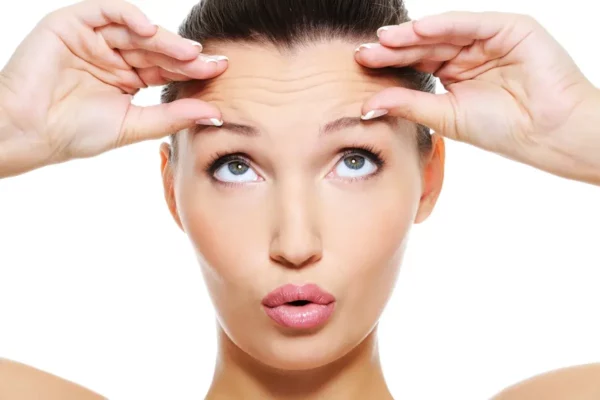
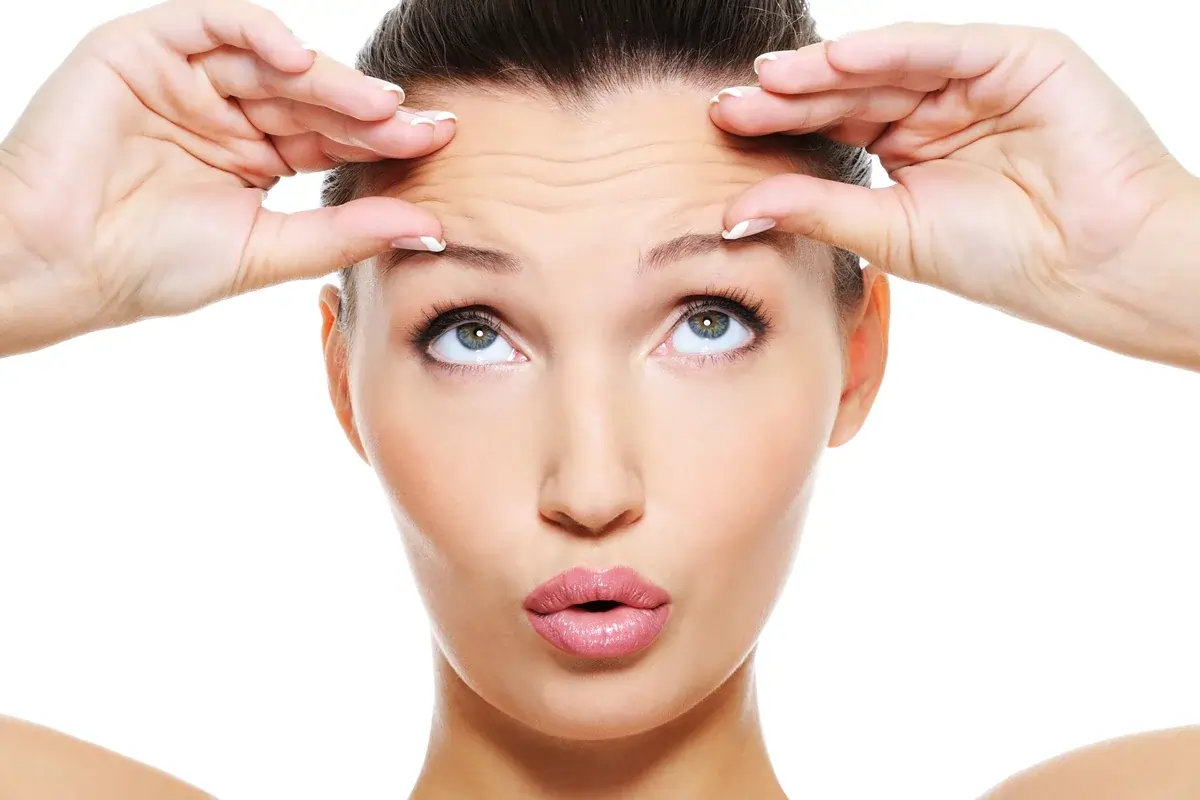
- Eyebrow elevation: Raising the eyebrows shows how strongly the frontalis muscle contracts. This helps identify patients who rely on forehead movement to maintain comfortable brow positioning.
- Frowning: Bringing the eyebrows together reveals activity between the brows. Examining this movement helps determine how treatment might soften deep frown lines without unnecessarily affecting surrounding muscles.
- Natural smiling: A relaxed smile reveals differences in mouth-corner elevation, cheek movement, and how the eyes respond. These observations may identify existing asymmetries before injections.
- Squinting: Narrowing the eyes demonstrates muscle activity around the outer eye area. This information helps the injector consider wrinkle reduction while accounting for expressions associated with smiling.
- Lip movement: Speaking, pursing the lips, and smiling reveal how the muscles surrounding the mouth interact. These observations are especially relevant when considering lower-face injections, where subtle changes may influence speech or smiling.
Together, these movements provide information for an individualized treatment plan.
How Does Injection Planning Help Prevent a Frozen Appearance?
An overly restricted appearance may develop when treatment reduces more muscular activity than intended. Injection placement, dosing, individual anatomy, and sensitivity to the medication all influence the outcome.
An injector can use assessment findings to consider which muscles require treatment and which should retain greater activity.
For patients concerned about an unnatural result, the discussion may include treatment for frozen facial appearance if excessive relaxation has already occurred. Assessment can help distinguish temporary neurotoxin effects from other causes of restricted movement.
Existing neurotoxin effects generally diminish over time, rather than being immediately reversible.
The objective is not necessarily to remove every visible expression line. Instead, treatment can prioritize the wrinkles that concern the patient while respecting the movements that support recognizable expressions.
Why Does Facial Symmetry Influence Neurotoxin Placement?
Perfect facial symmetry is uncommon. One eyebrow may naturally sit higher, or one side of the mouth may move more strongly during smiling.
These differences become important when planning injections because treating both sides identically does not always produce visually balanced results.
A professional facial assessment for a balanced lower face examines muscle activity, resting positions, and the relationship between different facial features.
Patients researching treatment for asymmetrical smiles and deep frown lines in Las Vegas, NV may benefit from learning that these concerns involve different muscle groups and require separate assessments.
Some asymmetries may respond to carefully selected neurotoxin injections, while others may be related to anatomy, previous treatments, or conditions that neurotoxins cannot correct.
The injector must therefore distinguish normal variation from concerns that warrant additional evaluation.
Can Personalized Injections Preserve Facial Mobility?
The phrase restoring youthful facial mobility with a custom injection strategy describes an aesthetic goal, but neurotoxins do not restore muscle movement. They temporarily reduce selected muscular contractions.
A personalized approach instead aims to preserve appropriate movement while softening unwanted lines.
For example, someone with strong forehead activity may need a different treatment approach from someone with relatively limited brow movement.
Previous injection experiences also provide useful information. An individual who previously experienced heavy eyebrows may require reconsideration of treatment location, dosing, or suitability.
Conservative planning and follow-up evaluations can help clinicians assess the response before considering additional treatment.
Why Is Follow-Up Important After Neurotoxin Treatment?
An initial assessment provides a baseline, but the response becomes clearer as the medication takes effect.
Follow-up allows the injector to evaluate muscle relaxation, expression changes, and patient satisfaction. Results commonly develop over several days, with assessment often occurring around two weeks.
Patients should report unexpected facial weakness, unusual asymmetry, or functional concerns rather than attempting corrections independently.
Individual results vary, making communication and realistic expectations important throughout treatment.
Tru Beauty By Trevor: Smile Symmetry Mapping in Henderson, NV
At Tru Beauty By Trevor, we recognize that facial expression is an important consideration when planning neurotoxin treatment. Our approach emphasizes individual anatomy, treatment goals, and careful injection placement.
For patients interested in smile symmetry mapping in Henderson, NV, our team can discuss how facial movement and existing asymmetries influence treatment decisions during a consultation.
Our practice offers Botox, Dysport, and Xeomin for appropriate aesthetic concerns. We consider the relationship between facial muscles and the importance of maintaining natural-looking expressions when discussing treatment options.
Led by Trevor Larsen, RN, our Henderson practice provides individualized injectable consultations. We encourage patients to share previous treatment experiences, concerns about restricted movement, and their desired appearance.
Patients from Las Vegas and nearby communities can schedule a consultation at our Henderson location to discuss individualized neurotoxin treatment options.
Schedule a Neurotoxin Consultation.
Frequently Asked Questions
Can Facial-Movement Assessment Guarantee Natural-Looking Botox Results?
No, facial-movement assessment supports individualized planning but cannot guarantee a particular aesthetic outcome.
Why Does My Injector Ask Me to Frown or Smile?
These expressions help identify active muscles, natural asymmetries, and areas that may require careful treatment planning.
Can Botox Correct an Uneven Smile?
Botox may help selected muscle-related asymmetries, although suitability depends on the underlying cause and clinical evaluation.